PRODUCT OVERVIEW
Dual Lens 1080P 30Fps Usb Camera Module
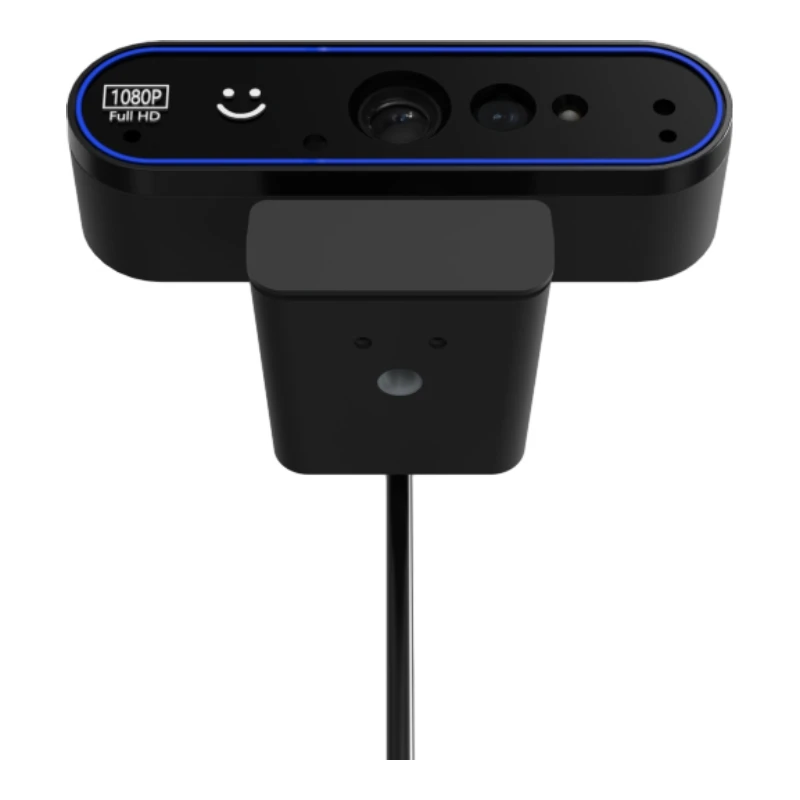
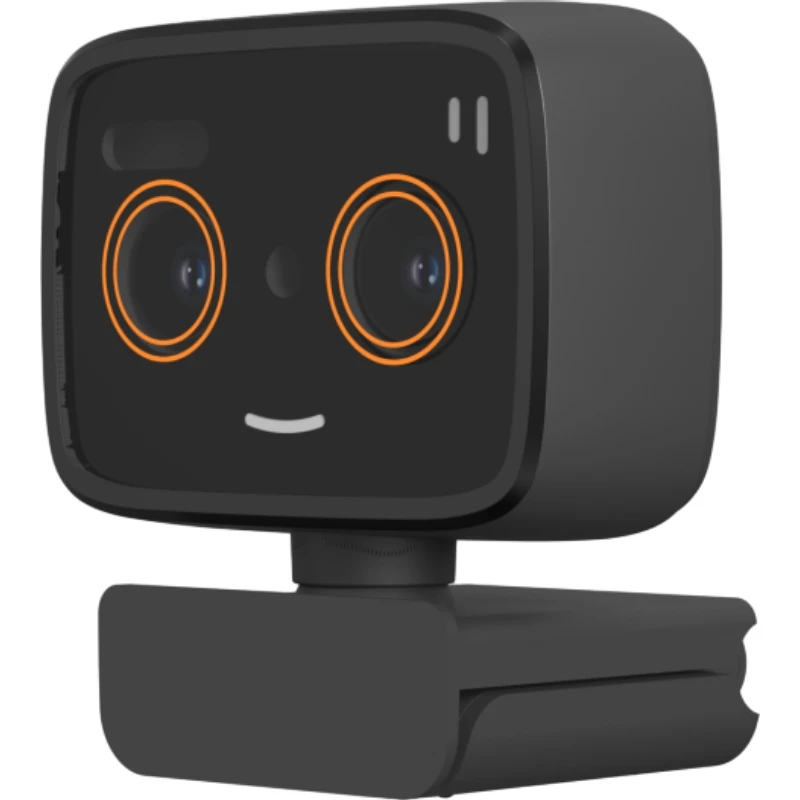
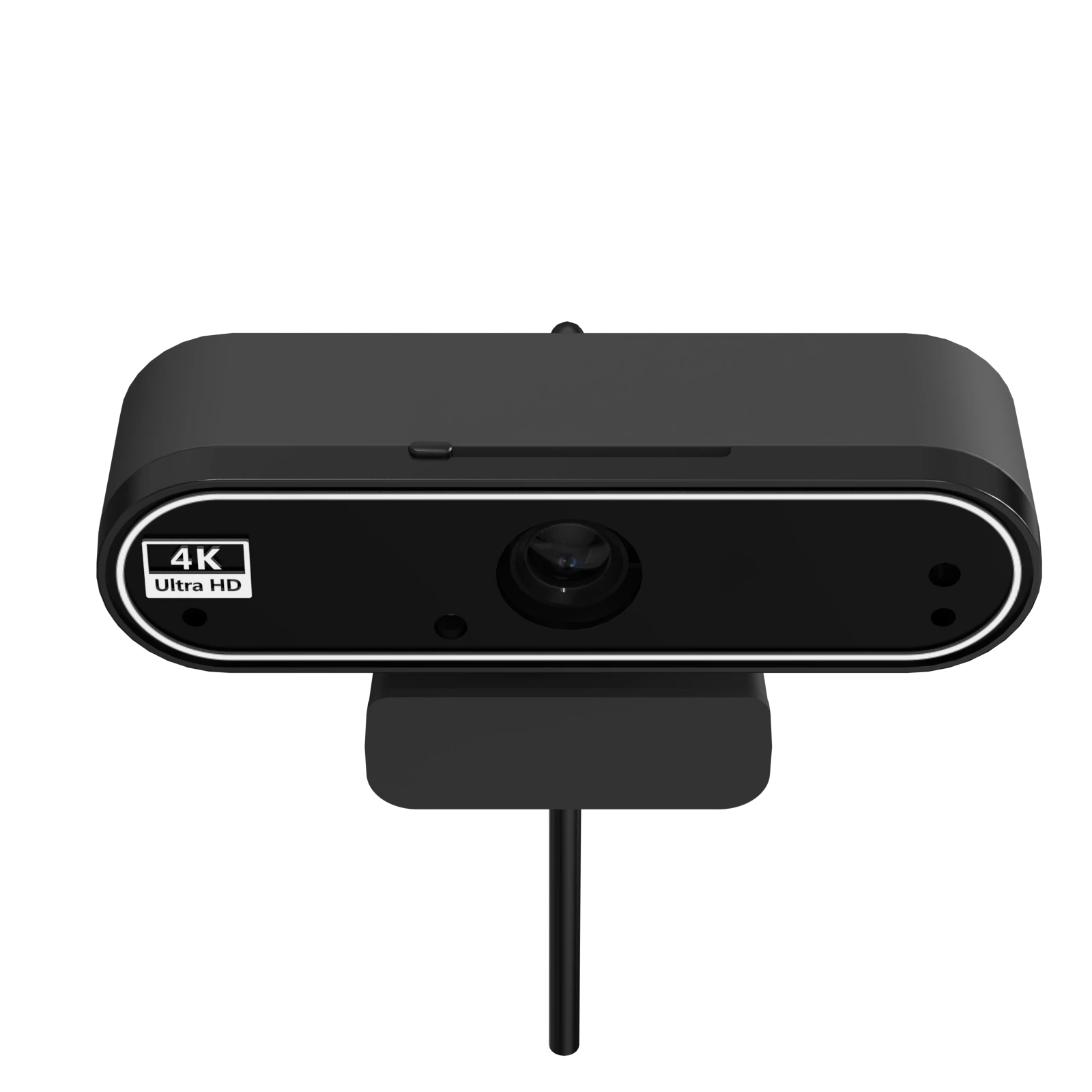
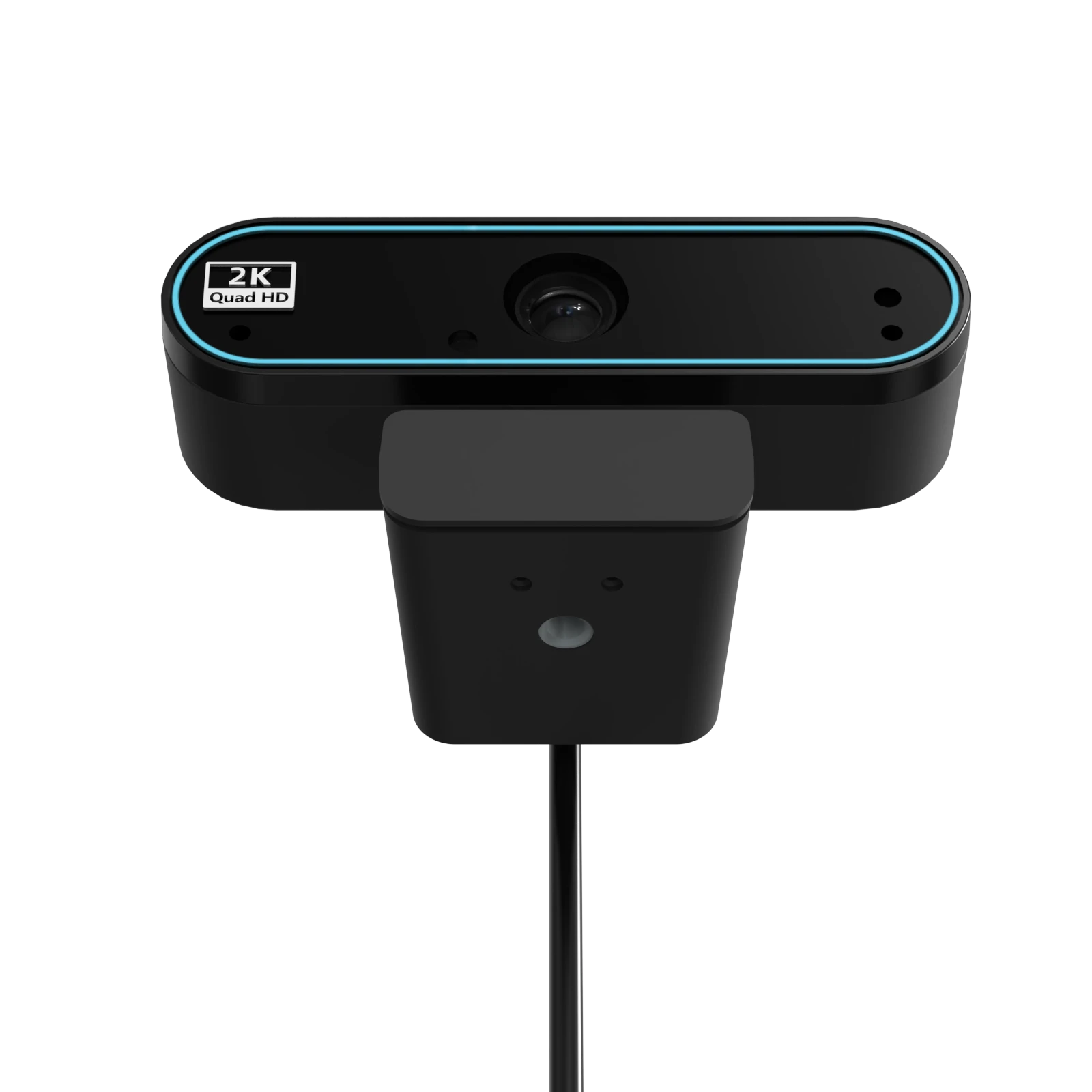
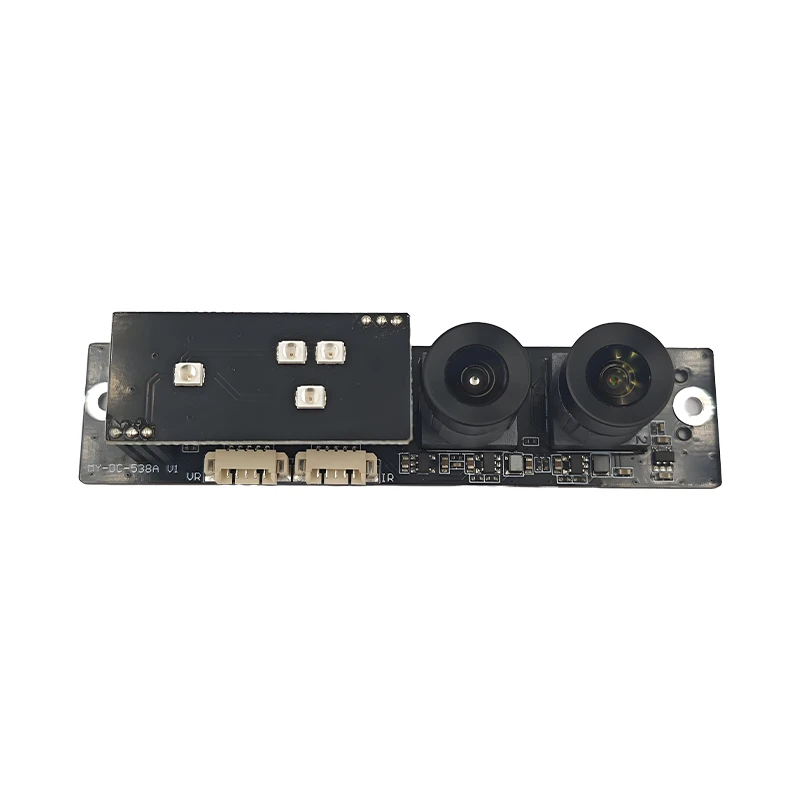
MY-DC538A Dual Lens USB Camera Module Overview
The MY-DC538A is a dual lens 1080P USB camera module designed for projects and systems that need camera input through a USB connection. Its two-camera arrangement uses 2pcs 1/2.7 inch sensors, and each sensor supports a maximum frame rate of 1920*1080 @ 30fps. This makes the module a practical option to consider when a design calls for two lenses and Full HD image capture at a clearly stated frame rate.
With its combination of dual lenses and USB connectivity, the module can be evaluated for applications where camera hardware needs to be integrated into a larger device or vision setup. The dual-lens format is relevant for projects that are designed around more than one camera view. The product information identifies the sensor size, resolution, and maximum frame rate, giving system planners core details to review during component selection without assuming additional performance characteristics.
The MY-DC538A can serve as a camera component in a range of systems, from video communication equipment to specialized vision applications. Its suitability for a particular build depends on the requirements of the host device, application software, and the intended camera implementation. Review the accompanying specification and structure images as part of the product evaluation process.
USB Compatibility and Everyday Use
The dual lens camera module supports USB 2.0 OTG and is described as plug and play, allowing direct connection to a compatible host without treating the module as a separate networking camera. USB connectivity can simplify evaluation and integration in setups that already provide a suitable USB camera interface. As with any embedded camera component, check the host system and software requirements when planning deployment so the intended application can recognize and use the camera.
Listed uses include Skype, Zoom, conferencing, Facebook Live, and YouTube Live services. These examples make the module relevant to video communication and live-streaming projects where USB camera input is part of the setup. The supported operating systems listed are Win XP/Vista/Windows 7/8, Windows 10, and Linux. This broad range gives integrators several platform options to consider, while compatibility should still be checked against the specific host, software version, and implementation requirements.
For an efficient installation process, confirm the USB connection and application configuration before putting the camera into routine use. Keep the camera area clean and protect the lenses from dust, smudges, and accidental contact during handling. Careful storage and routine visual inspection can help maintain a clear optical surface and make troubleshooting easier if image quality or connection behavior needs to be reviewed.
Vision Applications and Integration Potential
The MY-DC538A dual lens camera module is identified for use in deep vision detection scenarios. Application examples include face recognition, access control systems, robot vision, virtual reality (VR), biometric retinal analysis, 3D measurement, intelligent transportation systems, people counting, and tracking. These examples indicate the range of project areas for which a dual-lens camera module may be considered, from interactive systems and robotics to monitoring and measurement workflows.
In an access control or face recognition project, the camera can be assessed as part of the image capture hardware used by the larger recognition system. Robot vision projects may evaluate the module as a camera input component, while VR and 3D measurement applications can assess whether its dual-lens format suits their planned configuration. The product information does not specify application algorithms or system-level results, so those capabilities depend on the complete design and supporting software.
For intelligent transportation, people counting, or tracking applications, integrators can consider the module among the imaging components in a wider system. The camera itself is one part of an application that may also require processing, software, mounting, and an appropriate host. Evaluating these project needs early helps determine whether the stated resolution, frame rate, sensor size, USB 2.0 OTG support, and dual-lens arrangement align with the intended use.
Specifications and Product Reference Images
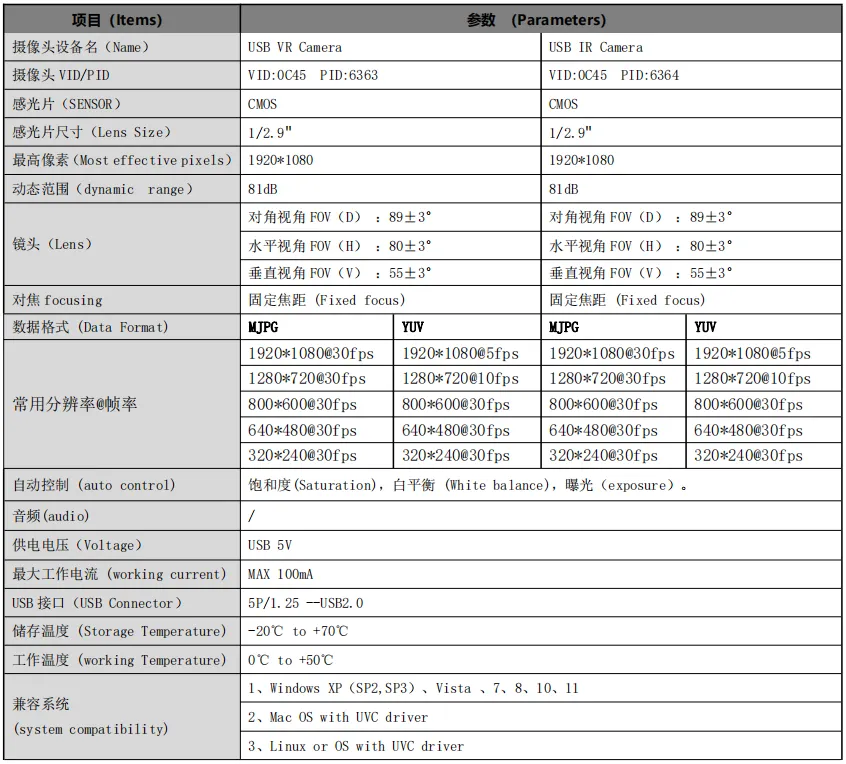
Camera Basic Specification
The product’s camera basic specification reference is provided below. Consult the supplied reference image when reviewing the camera details for a planned installation or integration. The stated core description is a dual lens module that accepts 2pcs 1/2.7 inch sensors, with a maximum frame rate of 1920*1080 @ 30fps for each sensor.
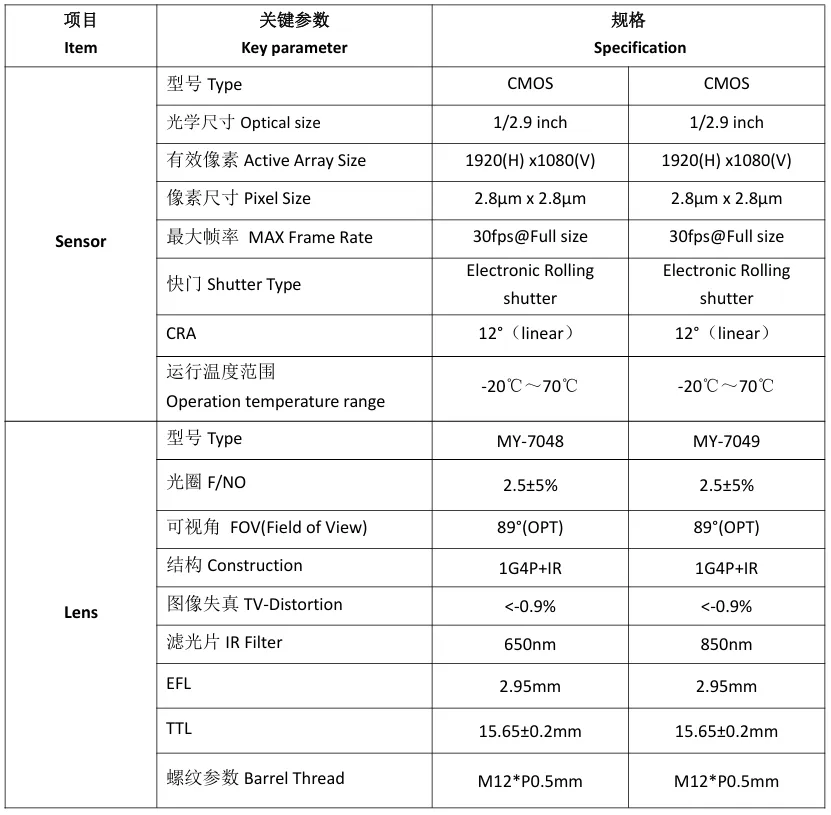
Key Component Specification
The key component specification reference is included as a separate image for convenient review. Together, the camera and component references provide product information to support evaluation and project planning. Refer to the images when checking the details relevant to your intended application, and verify system-level requirements with the complete camera setup.
Product Structure and Selection Guidance
The product structure diagram is provided as a visual reference for reviewing the module’s form and arrangement. Use it alongside the product images and specification references when planning how the camera may fit into a device or project. A visual review can help teams discuss component placement and assess integration needs before finalizing their system design.
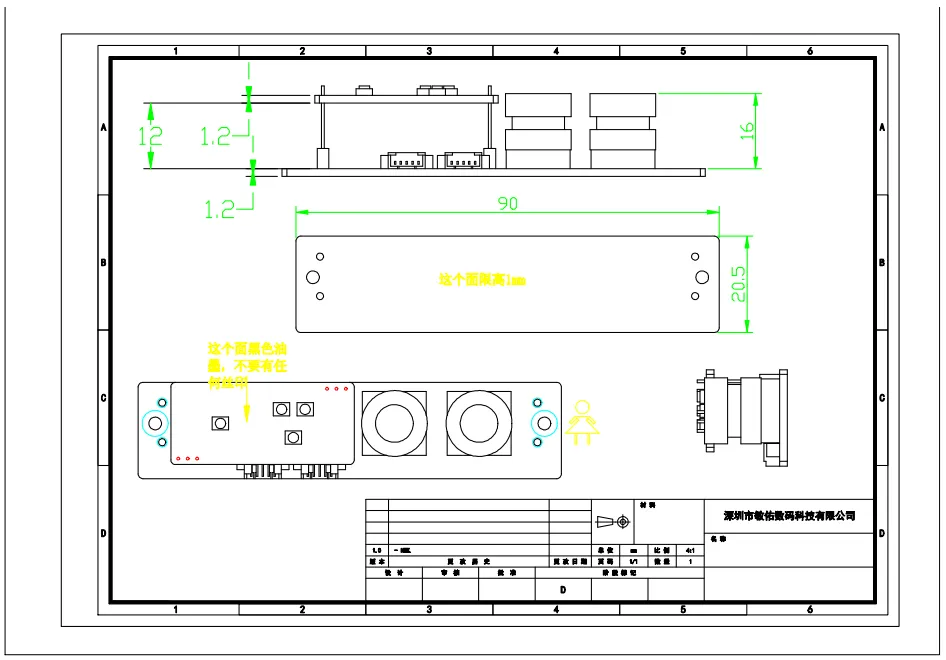
When comparing camera modules, match the stated details to the needs of the intended system: dual lens configuration, two 1/2.7 inch sensors, 1920*1080 @ 30fps maximum frame rate for each sensor, USB 2.0 OTG support, and the listed operating system compatibility. Also consider whether the planned application software and host device support the camera connection. This measured approach helps keep selection based on the provided product facts while allowing the final design to address its own mounting, processing, and operational requirements.
Need specifications or a custom solution?
Tell us about your application and our team will help you select or develop the right camera module.
Request a Quote